
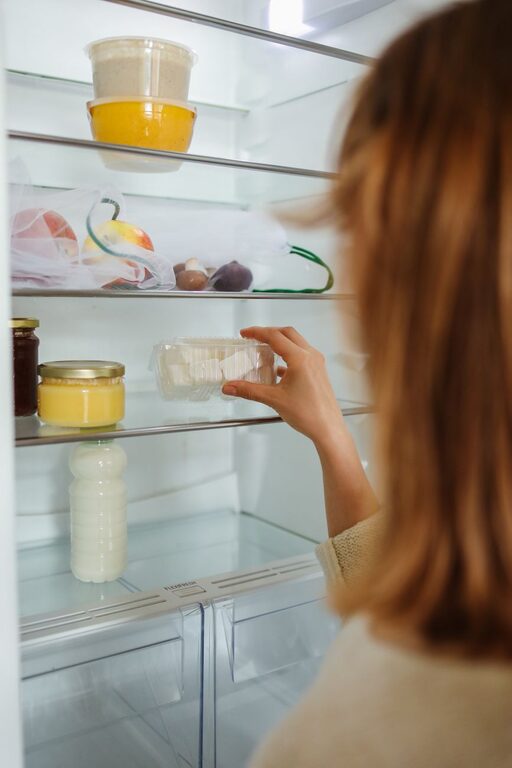
Keeping your fridge and pantry tidy is essential for a well-functioning kitchen. An organized space not only helps you find ingredients quickly but also reduces food waste and encourages healthier eating habits. If you’ve ever opened your fridge only to find spoiled food or a cluttered pantry where items are hard to locate, this guide is for you. Let’s explore practical steps to maintain an orderly fridge and pantry, making your kitchen a more enjoyable space.
Why Keeping Your Fridge and Pantry Tidy Matters
Before diving into the how-to, it’s helpful to know why tidiness matters:
– Prevents Food Waste: Expired foods can cause you to throw out groceries unnecessarily.
– Saves Time: Easily find what you need without digging through clutter.
– Promotes Cleanliness: Reduces the risk of spills, odors, and pests.
– Encourages Healthier Choices: Visible fresh produce and healthy items make it easier to stick to nutritious meals.
How to Keep Your Fridge Tidy
1. Clean Your Fridge Regularly
Set a schedule to clean your fridge at least once a month. Remove everything, wipe down shelves and drawers with a mild cleaner or a solution of water and vinegar, and check expiration dates before returning items.
2. Organize by Food Group and Use
Group similar items together:
– Top shelves: Ready-to-eat foods like leftovers and drinks.
– Middle shelves: Dairy products such as milk, cheese, and yogurt.
– Bottom shelves: Raw meat or fish, ideally stored in a sealed container to avoid drips.
– Door shelves: Condiments, sauces, and butter (the temperature varies here, so avoid storing milk here).
Use clear bins or containers to keep small items organized, such as snack packs or cheese slices.
3. Label and Date Your Food
Use reusable labels or masking tape and a marker to write the date when you opened or stored items. This helps you track freshness and prioritize using food before it spoils.
4. Keep Fruits and Vegetables Separate
Many fruits emit ethylene gas, which can speed up spoilage of vegetables. Use the designated produce drawers to separate them, or use separate containers to store them.
5. Don’t Overcrowd Your Fridge
Allow space for air to circulate, which helps maintain an even temperature. Avoid stuffing the fridge too full, as this can cause uneven cooling and spoilage.
How to Keep Your Pantry Organized
1. Declutter and Take Inventory
Start by removing everything from your pantry. Check expiration dates, and toss expired or stale items. Take note of what you have to avoid buying duplicates.
2. Group Similar Items Together
Sort items by category, such as:
– Baking supplies
– Canned goods
– Snacks
– Grains and pasta
– Spices and condiments
This grouping makes it easier to find items and keeps your pantry orderly.
3. Use Clear Containers and Labels
Transfer bulk items like flour, rice, pasta, and cereals into clear airtight containers. This keeps food fresh longer and allows you to see when supplies are running low. Label each container clearly.
4. Use Shelf Organizers and Baskets
Shelf risers, lazy Susans, and baskets can help maximize space and keep smaller items accessible. For example, place spices in a rotating spice rack or use baskets for snack packs.
5. Arrange by Frequency of Use
Place frequently used items at eye level or within easy reach. Less-used items can go higher or lower on shelves.
6. Keep It Clean
Wipe down shelves periodically to prevent dust, crumbs, and spills from accumulating. A clean pantry deters pests and keeps your food safe.
Additional Tips for Both Fridge and Pantry
– First In, First Out (FIFO): Always use older items before the newer ones to minimize waste.
– Set Reminders: Use your phone or a kitchen calendar to remind you when to clean or check food.
– Avoid Storing Certain Foods: For example, never store potatoes and onions together; the gases they release can spoil each other.
– Maintain Consistent Temperature: Make sure your fridge is set between 35-38°F (1.7-3.3°C) and your pantry is cool, dry, and away from direct sunlight.
Conclusion
A tidy fridge and pantry can save you time, money, and stress. By regularly cleaning, organizing, and thoughtfully storing your food, you create a more pleasant kitchen environment and reduce waste. Start small with one area and gradually build these habits for lasting results. With these simple tips, meal prep becomes smoother, and your food stays fresher longer. Happy organizing!
About the Author