
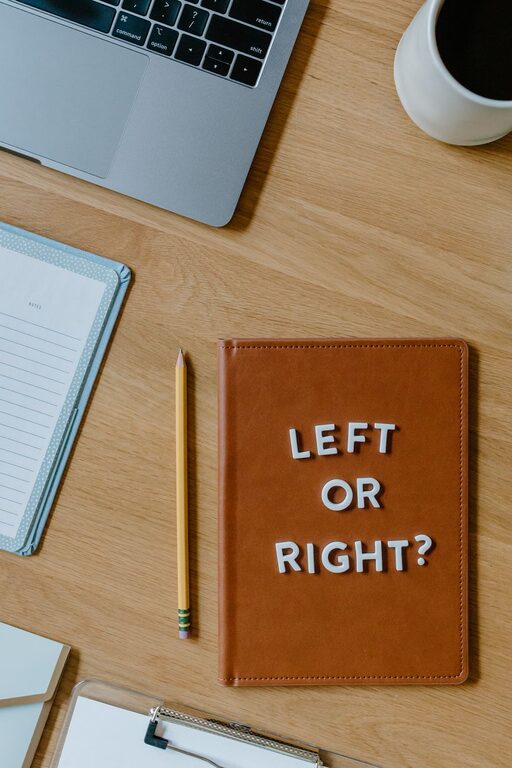
Choosing the right notebook can make a big difference in how often you use it and how useful it becomes in your daily life. Whether you want to journal, plan your week, jot down ideas, or keep track of tasks, the perfect notebook encourages creativity and consistency. But with so many options available, it can be overwhelming to pick one that truly fits your needs. This guide will help you find a notebook you’ll actually use, avoiding common pitfalls and focusing on practical choices.
Why Choosing the Right Notebook Matters
Before diving into options, it’s important to understand why the right notebook matters. Selecting a notebook aligned with your usage style can:
– Boost your motivation to write or plan regularly
– Make organizing information easier and more fun
– Encourage better habits through a design that suits you
– Prevent frustration from poor quality or inconvenient features
With this in mind, let’s explore how to choose a notebook tailored to your personal preferences.
Consider How You Plan to Use Your Notebook
The first step is to clarify what you want from your notebook. Ask yourself:
– Will I use it for writing, sketching, or both?
– Do I need it for daily planning or occasional notes?
– Should it be portable or more of a desktop companion?
– Will I want to store it long-term or recycle it frequently?
Answering these will guide your choice in size, paper type, and binding.
Common Notebook Uses
– Journaling: Look for a notebook with a comfortable size to carry and good paper quality for frequent writing.
– Planning and Scheduling: A planner-style notebook with dated pages or bullet journal layouts can be helpful.
– Sketching and Notes: Thicker paper to handle ink and pencil without bleed-through is ideal.
– Brainstorming and Idea Collection: Consider notebooks with dot grid or blank pages for flexible layouts.
Size and Portability
Notebooks come in many sizes, commonly from pocket (around 3.5” x 5.5”) to large (8.5” x 11” or larger). Think about:
– Everyday Carry: If you plan to carry your notebook all day, choose a smaller size that fits your bag or pocket.
– Desk Use: Larger notebooks offer more space but are less portable.
– Balance: Medium sizes (5” x 8” or 6” x 9”) often strike a good balance between writing space and portability.
Paper Quality and Paper Type
The feel and performance of paper are crucial. Consider these factors:
– Weight and Thickness: Measured in GSM (grams per square meter). Heavier paper (80 GSM and above) prevents ink bleed-through.
– Texture: Smooth paper is good for pens, while textured paper suits pencils and charcoal.
– Color: White paper is standard, but cream or off-white can be easier on the eyes.
– Ruled, Grid, Dot Grid, or Blank:
– Ruled lines help with neat writing.
– Grid and dot grid are great for flexible layouts, combining structure and freedom.
– Blank pages encourage creativity, drawing, and freeform notes.
Binding and Cover Options
Binding affects durability and ease of use.
– Spiral Binding: Opens flat and folds back easily, good for note-taking but may be less elegant.
– Perfect Binding (Paperback): Looks like a book, but may not lay flat without care.
– Hardcover: Durable and protects pages but adds weight.
– Elastic Closure: Helps keep your notebook closed and contents secure.
– Pocket and Accessories: Some notebooks include pockets for loose notes or pen loops.
Design and Aesthetic
A notebook you enjoy looking at increases the chance you’ll use it. Think about:
– Cover color and design
– Minimalist vs. decorative styles
– Branding or artwork that inspires you
– Whether you want a notebook that reflects your personality or keeps a professional look
Additional Features to Consider
– Numbered pages or index sections for better organization
– Perforated pages for easy removal
– Pre-printed layouts like calendars, habit trackers, or prompts
– Eco-friendly or recycled materials if sustainability matters to you
Tips for Making the Most of Your Notebook
Once you select your notebook, keep these tips in mind to stay motivated:
– Make it part of your routine — write or plan at the same time each day
– Personalize it with stickers, tabs, or drawings
– Use different colored pens or highlighters for organization
– Don’t be afraid to start fresh if your first attempt doesn’t work
– Keep your notebook accessible to remember to use it
Final Thoughts
Choosing a notebook is a personal decision influenced by how you plan to use it and what features motivate you to keep writing. By considering size, paper quality, binding, and design, you can find a notebook that fits seamlessly into your everyday life. The right notebook not only holds your thoughts but also inspires your creativity and helps you stay organized.
Happy notebook hunting!
About the Author